Not Discovered
The real problems, dilemmas, and bottlenecks facing customers and the organization are hidden behind surface-level needs.
→ Bottleneck DiagnosisBusiness Innovation Research Lab · Execution Partner
The Innovation Lab researches changes in industries and markets, structures them into business model and strategy methodologies, and applies them in corporate training, workshops, coaching, and consulting as both a business innovation research lab and an execution partner.
Problem Frame
The problem lies less in the product itself than in failing to identify the bottlenecks within the market and organization that constrain its potential. Unless you find the real problems customers experience, the dilemmas the organization repeatedly encounters, and the structures blocking revenue and execution, even a good product cannot become a good business model.
The real problems, dilemmas, and bottlenecks facing customers and the organization are hidden behind surface-level needs.
→ Bottleneck DiagnosisCustomers cannot understand in their own terms why this problem matters or why it must be solved now.
→ Market-Language RedesignProducts and services are not organized into an offer structure that customers can buy.
→ Offer-Structure RedesignThe revenue and execution structures do not operate repeatedly within the organization.
→ Revenue and Execution StructuresService Architecture
We do not present our services as a row of equally sized product cards. We place the business model and revenue structure at the heart of our work, connecting market language and offer structure, organizational execution, and AI Lab in distinct roles. AI Lab is both an independent service area and a way to strengthen exploration and execution across the other three services through platforms and education and verification systems we have built ourselves.
START WITH A DECISION
If the direction of your business is not yet clear, we begin by defining the core questions together. If you already have a business plan or strategic proposal, we independently validate whether its answers are reliable enough to use in real decisions.
If the answer has not yet been defined, we work with you to design the customer, value proposition, revenue structure, market entry, and execution priorities as a single decision agenda.
Explore Business Model AdvisoryIf you already have an answer, we independently validate the facts, logic, business viability, and decision-making risks in business plans, proposals, research, and strategic proposals created or enhanced with AI.
Explore AI Output ValidationCore Strength
The Innovation Lab has continually researched shifting market boundaries, platform strategy, business model innovation, and revenue structures. We turn our research findings into field methodologies such as BM ZEN, BM Renovation, BM HealthCheck, pricing strategy, and revenue model design, and apply them in practice.
Research does not end with a report. The Innovation Lab’s role is to enter the client’s execution environment and work alongside them until the business model leads to actual revenue, organizational learning, an execution roadmap, and new-business results.
/biz-model-consulting →Research Proof · Books & Methods
Books are The Innovation Lab’s record of research, while methodologies are the language of execution that makes this research repeatable in the field. We connect insights into market change with strategies, tools, and programs that companies can use.

He is one of South Korea’s leading researchers in platform strategy and business models, as well as a business trend analyst. In Platform Wars, he analyzed how major corporations dominate markets, and in All the Boundaries You Knew Will Disappear, he anticipated the “Big Blur” phenomenon—the collapse of boundaries between industries and between online and offline. Business Model Zen, a synthesis of his original methodology, has become a tool for turning ideas into viable business models.
After studying Industrial Engineering at Dongguk University and earning an MBA from Aalto University School of Business in Finland, he gained strategy consulting experience at Oracle and Samil PwC. Today, as Lead Consultant at The Innovation Lab, he addresses innovation challenges for Samsung Electronics, SK, KT, Lotte Group, startups, social ventures, small and medium-sized enterprises, and mid-sized companies through coaching, consulting, workshops, and lectures.
Selected Publications · 2011—2026
Research that began with platforms and industry boundaries has evolved into business model methodologies, strategic thinking, and BM reference models for future industries.
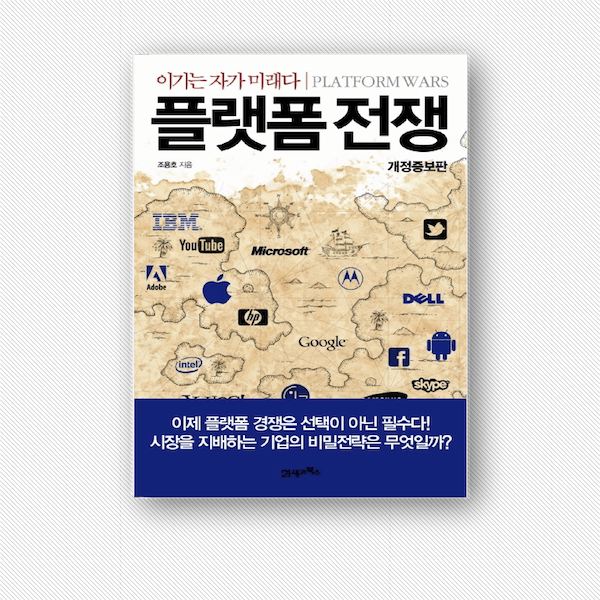
Platform strategies used by major corporations to dominate markets
Book detail ↗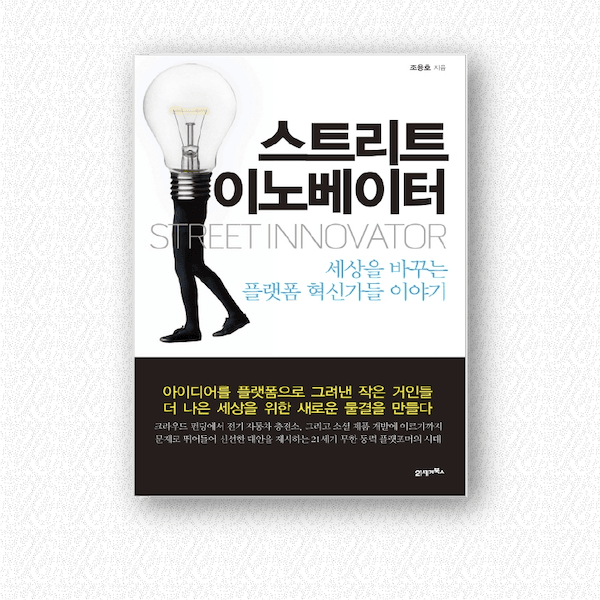
How innovative companies create new value on the ground
Book detail ↗
Future strategies for understanding the collapse of boundaries between industries and between online and offline
Book detail ↗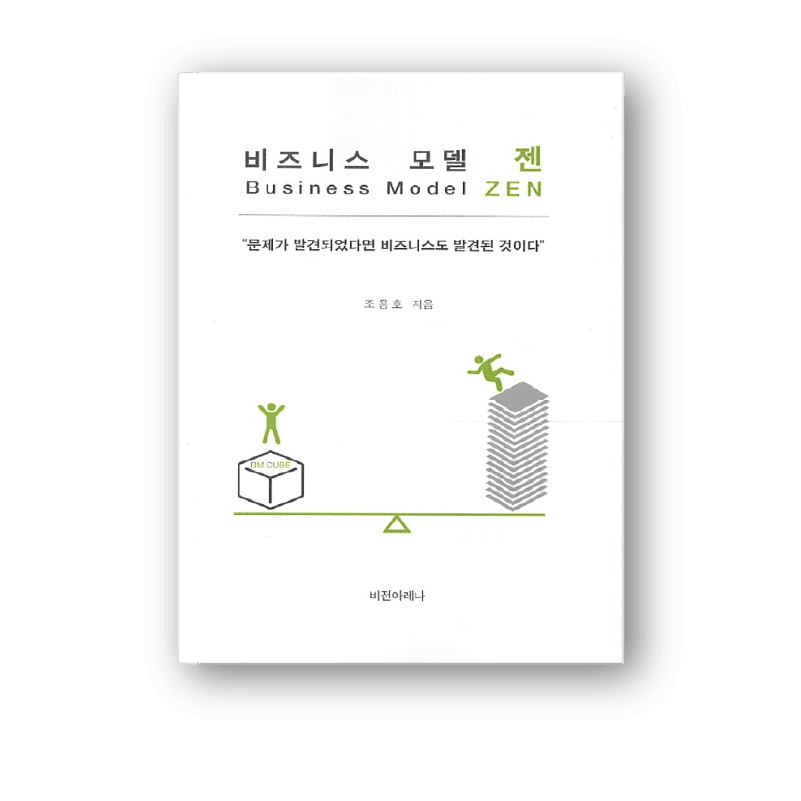
An original methodology for turning ideas into viable business models
Book detail ↗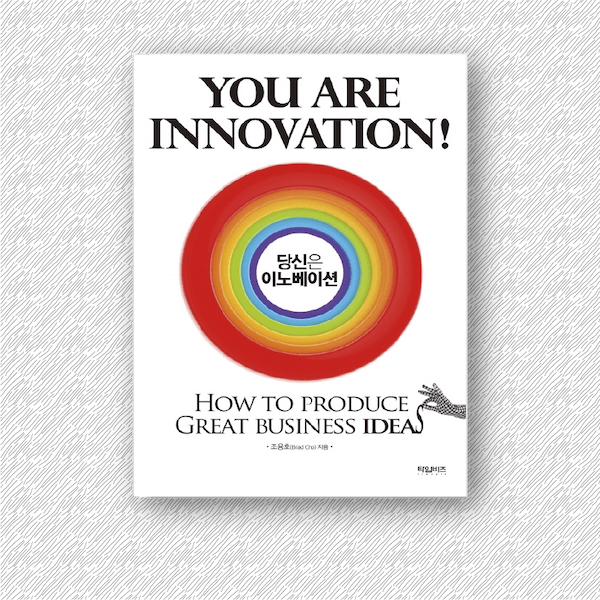
The SOFT ideation methodology derived from innovation cases
Book detail ↗
Strategic thinking for defining problems and making choices under uncertainty
Book detail ↗
Strategic tools for understanding complex market landscapes and moving to execution
Book detail ↗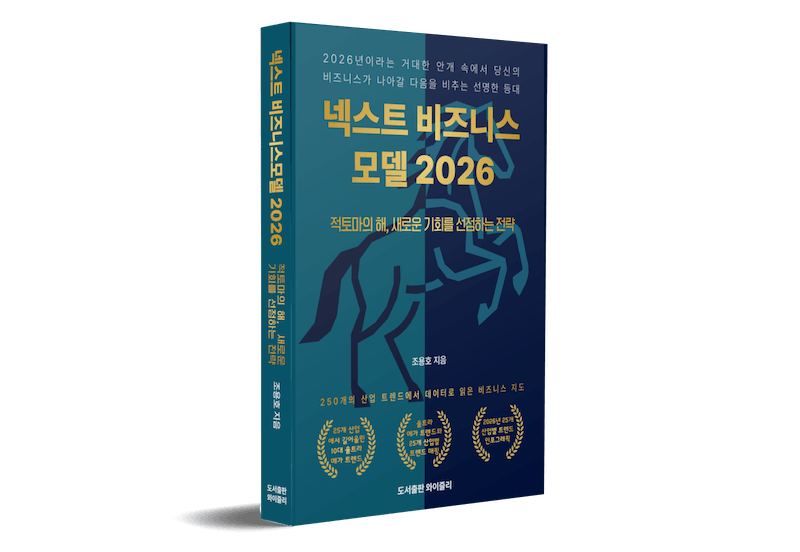
A strategy book that interprets changes in future industries from a business model perspective
Book detail ↗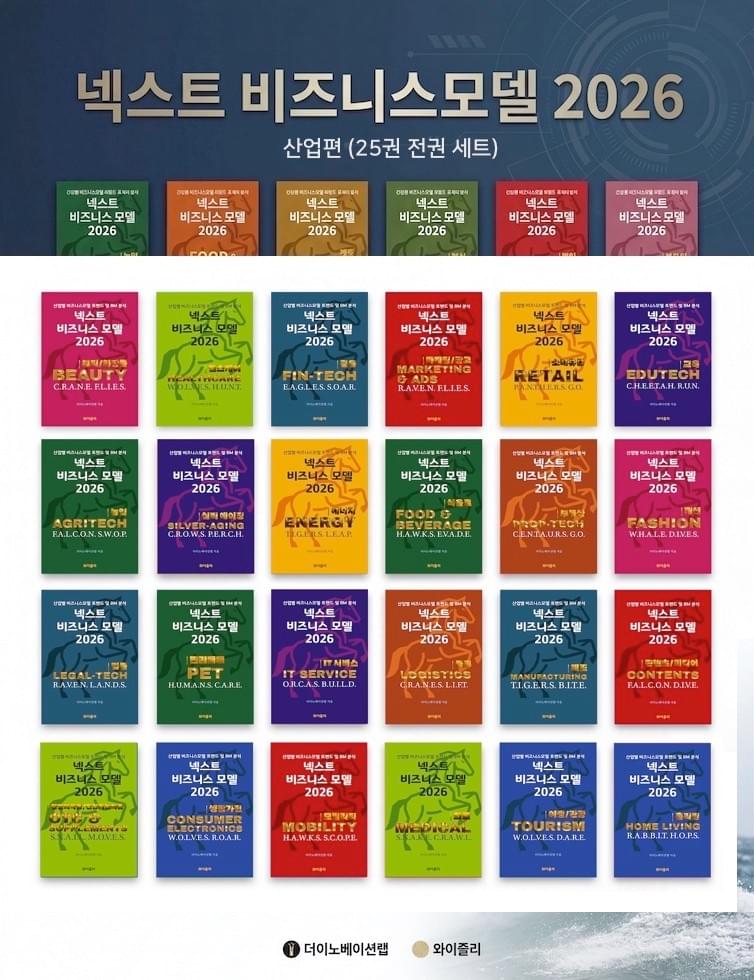
Institutional Research Series · 2026
The Innovation Lab’s industry research series analyzes more than 5,000 Korean and international business models and structures them into directions for change and strategic reference models across 25 industries. Beyond Korea, it has also been translated into 6 languages and published worldwide on Amazon, Apple Books, and Google Books.
Offering
We begin with what needs to change now—whether it is the business, organization, ecosystem, or people. BM ZEN and execution-focused partnerships connect these four paths, while AI Lab's platform, research, education, and verification capabilities strengthen exploration and execution at the stages where they are needed.View All Offerings →
We redesign the marketability, differentiation, profitability, and execution structure of a company and its business.
02 · Change the OrganizationWe develop organizational ideas into actionable plans ready for customer validation and executive decision-making.
03 · Grow the EcosystemWe assess, train, and coach multiple startup teams and technology companies, helping them grow into businesses that gain traction in the market.
04 · Build the ExpertiseWe embed business model expertise as a repeatable capability within individuals and organizations.
Evidence Register
Cases are not a list of completed engagements. Each record is evidence showing how we discovered the bottlenecks facing a client and organization, which methodology we used, and how the work led to decisions, execution, and results. “Season” is not decoration; it is a filter indicating the problem-solving stage.
8 Problem Types · 12 Detailed Cases · All Existing Project References Linked → /proof-library
Education / CBMP
A business model does not become an organizational capability if it remains only in a report. CBMP is a signature asset that extends this educational capability into a certification system. Operating since 2014, the business model expert program progresses through three cubes.
At this level, participants understand the core components of a business model and how they relate, and can perform an initial analysis through development and diagnosis.
Certification · Pass Individual/Team AssignmentParticipants understand BM patterns, apply them in the field, and make integrated use of market methodologies such as Lean Startup and service design.
Certification · Pass Assignment + 300 Hours of Professional PracticeAt this level, participants link BMs to business strategy and connect them with platform business, case analysis, corporate capabilities, and trends.
Certification · Pass Assignment + 800 Hours of Professional PracticeThe Green, Blue, and Red Cubes use the same colors as the brand’s Four Seasons palette—the language of spring for discovery, summer for execution, and autumn for results applies equally to the CBMP level system.
Toolkits
These are not templates sitting in a resource library. They are thinking tools refined through more than 10 years of actual use in corporate innovation training, workshops, and coaching. They help prepare for the next cycle with winter’s focus on consolidation.
01 — Market Language · Offer Structure
02 — Business Model · Revenue Structure
03 — Execution and Growth Validation / 04 — Ecosystem and Platform
TIL AI LAB
TIL AI Lab develops and operates NextBM200, AI ToolBox, and AI Company. We turn the exploration of industries and business models, organizational knowledge work, customer touchpoints, and multi-role AI collaboration into real services, then extend the experience gained into organizational execution systems, education, and verification.
We do not simply teach people how to use AI well. People first define the problem and hypotheses, use AI to broaden their perspective, and then take responsibility again for validating the evidence and making the final judgment. HAMMA is TIL's educational approach, adding the exploratory and feedback value of AI to the essence of education: self-directed learning and problem-solving.
View all AI Lab services →AI QUALITY ASSURANCE
AI has made it faster to create business plans and proposals, market research, and strategic proposals. But faster drafting does not guarantee reliable results. AI Second Opinion reviews important AI outputs against five criteria: facts and evidence, logic and assumptions, business viability, decision-making risk, and clarity of communication.
Contact
From research that interprets changes in industries and markets to problem discovery, market language, offer structure, revenue structure, and execution structure, we work with you to solve business innovation challenges through accumulated methodologies and corporate field experience.
ANSWER ENGINE
Quickly explore The Innovation Lab’s role and methodologies from the perspective of your challenge.
The Innovation Lab is a business innovation research company and execution partner that studies changes in industries and markets, structures them into business model and strategy methodologies, and connects them to corporate execution and results.
We support business model diagnosis and transformation, corporate new business discovery and validation, startup growth and technology commercialization, and the development of lasting innovation capabilities within organizations. AI Lab also provides organizational AI execution systems, HAMMA education and workshops, and AI output verification, grounded in platforms we develop and operate ourselves.
During the initial consultation, we work with you to define the challenge your business or organization wants to solve, the customer and market situation, and the expected results. Based on the resulting diagnosis and priorities, we then propose consulting, workshops, training, coaching, or an operational partnership.
BM ZEN is a methodology that integrates a business model across customer value, revenue, and execution structures. The 8×48 Workflow consists of 48 workstreams across eight modules, spanning direction alignment, opportunity selection, customer and problem discovery, validation, design, decision-making, and growth.